Venice 2026: 43 lace designs among flowers and nature
Venice 2026: 43 lace designs among flowers and nature
This autumn, Venice offers a visit where lace ceases to be a mere detail and takes center stage. The exhibition "Un merletto per Venezia 2026" (A Lacemaker for Venice 2026) brings together 43 works from the twelfth edition of the national competition dedicated to needle and bobbin lace. Flowers, leaves, and forms inspired by nature demonstrate how an ancient tradition can continue to speak in very different languages.
La Civic Museum Foundation of Venice She explains that the 2026 competition received 43 entries. All respond to the theme "Flowers and Nature," but they do not follow a single aesthetic. Some respect traditional techniques and procedures; others treat lace as an autonomous art form and explore volume, color, and installation.
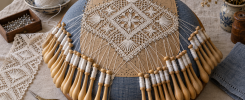
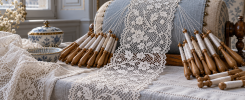
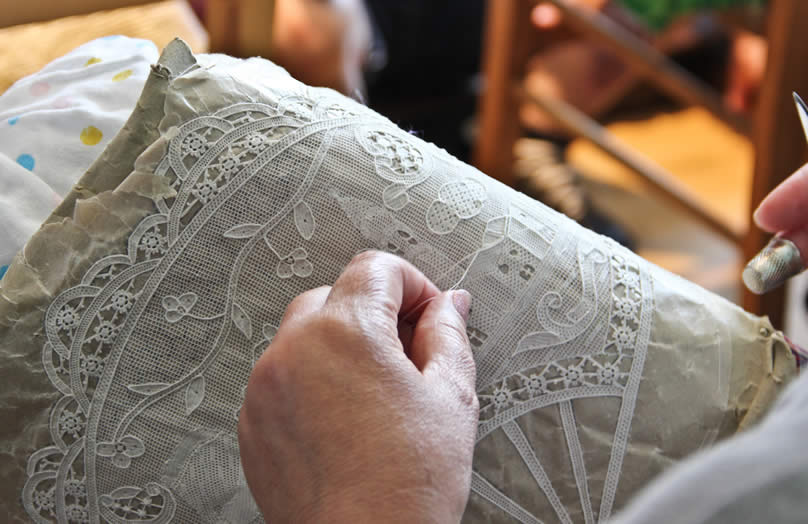
The pieces are divided between needle lace and bobbin lace, and each technique includes both traditional and contemporary sections. For those who enjoy observing the details, this combination is especially interesting. It allows one to compare how a flower can be born from a single thread guided by the needle or from many pairs of threads intertwined on the bobbin lace frame.
The exhibition can be visited with the regular museum admission and opening hours. As conditions may change, it's advisable to check the official website before your trip. This is important for anyone wishing to combine the exhibition with other textile events or book a vaporetto trip to Burano.
The competition distinguishes between works that rely solely on traditional techniques and those that require additional elements to achieve their artistic intent. The distinction isn't simply about using white thread or introducing color. What matters is the relationship between the lace, its form, and the way it is presented.
This idea changes the way we move through the gallery. With a traditional piece, we can follow the design, recognize points, and admire the regularity. With a contemporary work, we are also interested in the space it occupies, the shadow it casts, or the dialogue it establishes with different materials. The thread retains its artisanal heritage but gains new possibilities as a visual language.
Burano is famous above all for needle lace, while bobbin lace has taken firm root in Pellestrina. The foundation itself maintains activities in which lacemakers from both islands and other parts of the lagoon participate. This diversity helps us understand that Venetian lace is not a single recipe, but a network of schools, associations, and passed-down knowledge.
In bobbin lace, it's worthwhile to look for the pattern of the pairs of stitches. The most compact motifs are joined by open backgrounds, ribbons, or small bridges. A change of color can indicate the movement of the thread; a three-dimensional form forces you to think about the stitching in a different way. Even without knowing every stitch, your eye learns to distinguish densities, edges, and areas of tension.
The first venue adds context to the exhibition. Palazzo Mocenigo houses the museum dedicated to textiles, clothing, and perfume, so the lace interacts with dresses, historical interiors, and other arts related to appearance. The visit serves as a reminder that lace never existed in isolation: it was part of collars, sleeves, handkerchiefs, trousseaus, and ceremonial attire.
Those traveling after January 7th can find the works at the Burano Lace Museum, housed in the former lace-making school. There, the exhibition is integrated into a broader narrative about the teaching, the work of the lacemakers, and the history of the island. It's a good excuse to escape Venice's more crowded streets for a few hours.
The initiative seeks to keep alive a craft that requires time, learning, and continuity. It also encourages people to stop viewing lace solely as decoration. A piece can preserve traditional stitches while simultaneously presenting a new idea about landscape, fragility, or growth.
"A Little Mermaid for Venice 2026" thus offers a double interpretation: it celebrates the precision of the hands and showcases the freedom of those who continue to design with thread. Among recognizable flowers and unexpected forms, the exhibition reminds us that tradition remains alive when it finds reasons to transform itself.
© El Mundillo de Eva 2026