Mount Vernon 2026: children, bobbin lace and a lace fish by the Potomac
Mount Vernon 2026: children, bobbin lace and a lace fish by the Potomac
Some learning begins with a tiny gesture: crossing two threads, twisting them, and discovering that, little by little, a figure emerges. On November 20, 2026, Mount Vernon invites children ages 8 to 12 to experience precisely that in a bobbin lace workshop designed for those approaching this craft for the first time. The program combines hands-on work, history, and a very special visit to one of Virginia's most famous landmarks.
The meeting will be held at the George Washington Presidential Librarywithin the historic Mount Vernon complex. There will be two identical sessions, of 9:30 - 10:30 and 13:00 - 14:00so that each family can choose the schedule that best fits their day.
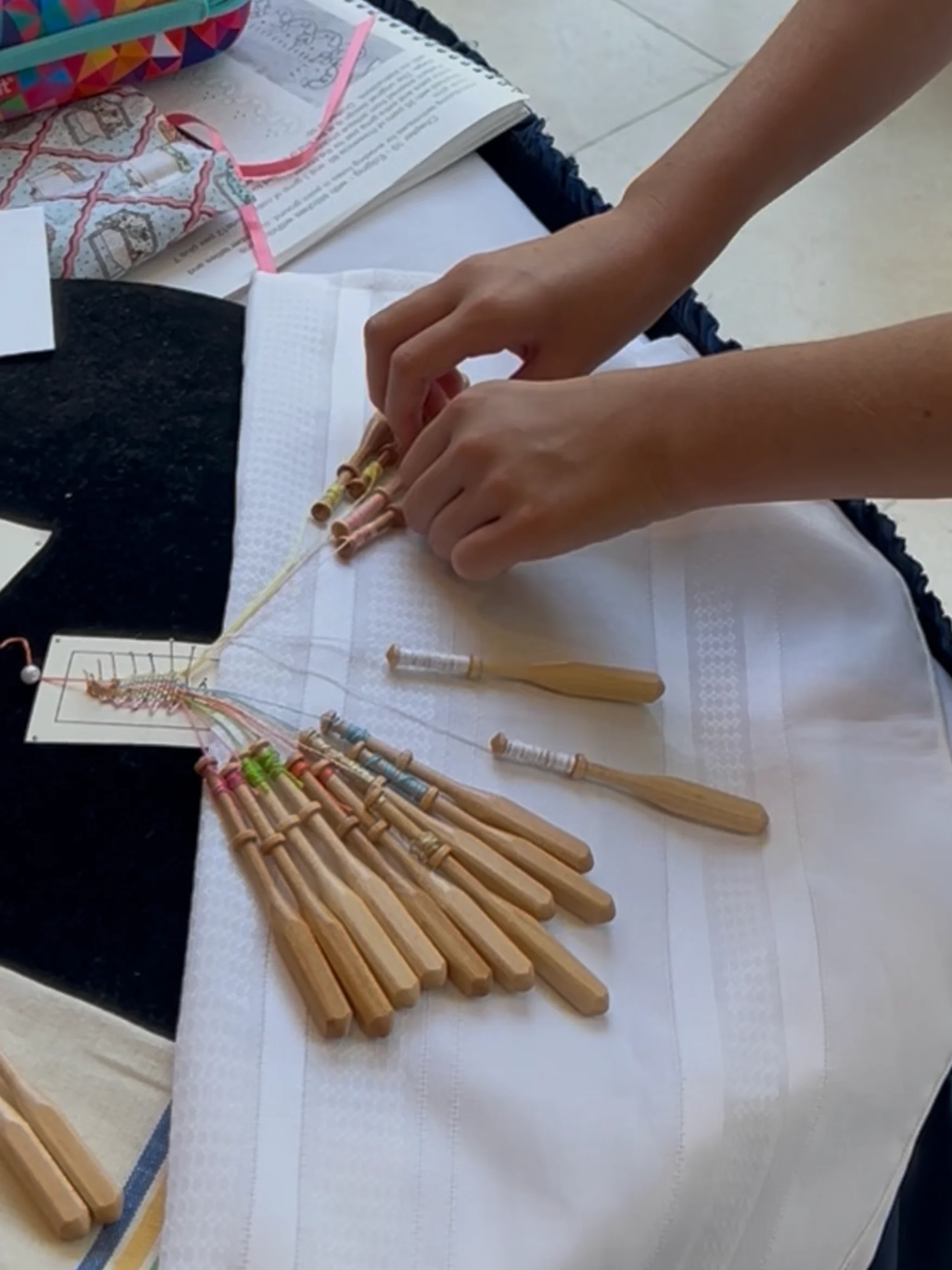
For one hour, participants will learn the two essential bobbin lace movements—crossing and turning—while creating a small, colorful fish. The piece incorporates a bead eye, making this first practice session a joyful souvenir to take home. No prior experience is necessary, and all materials are included—a great help when trying a new craft without having to prepare any tools.
The activity will be led by members of the Chesapeake Region Lace GuildAn association dedicated to keeping the knowledge of lacemaking alive. Their presence brings that closeness so characteristic of lacemakers' gatherings: expert hands that teach with patience, help to arrange the threads, and celebrate the moment when the design begins to take shape.
The workshop goes beyond technique. Amanda Isaac, chief curator of Mount Vernon, will showcase historical lace from the library's collection and discuss George Washington's connection to these pieces. Children will be able to compare the fish emerging from their cushion with lacework made centuries ago and understand that a lace pattern also tells a story about how people dressed, shopped, and lived in another era.
This dialogue between object and craft is one of the highlights of the day. Looking at antique lace after having worked with bobbins changes the way you see it: each stitch ceases to be a distant detail and becomes time, skill, and decision. For families who enjoy textile crafts, it can also be a precious way to share vocabulary and memories across generations.
Registration costs $30 per child And accompanying adults enter the workshop free of charge. The reservation also includes general admission to Mount Vernon, so the experience can be extended with a visit to the grounds. The estate is located along the Potomac River, approximately 24 miles south of Washington, D.C., a setting that makes it ideal for a day trip.
It's advisable to choose the session and purchase tickets in advance at the official website of the Mount Vernon bobbin lace workshopThe schedules and conditions are kept up to date. The activity is specifically advertised as a workshop for homeschooling families, although its approach is familiar to anyone who has seen how a simple demonstration can spark curiosity about lacemaking.
To make the most of the outing, it's worth setting aside some time before or after the session. The included admission allows you to explore the historical site as a family and place the objects seen in the library within a real-world setting. In this way, the bobbin lace session becomes the highlight of a day that blends heritage, a stroll, and shared learning.
Choosing a fish is a particularly friendly idea for beginners. Its silhouette is easily understood, it allows you to play with various colors, and it offers an achievable goal in a short session. The basic movements cease to seem abstract because each new cross completes a fin, a tail, or a body part. The eye bead adds the finishing touch and reminds you that beadwork can also be playful.
Mount Vernon offers, ultimately, more than just a children's craft. The workshop introduces youngsters to a historical technique through hands-on practice, allows them to talk with lacemakers, and teaches them to see a museum piece with fresh eyes. On a November morning or afternoon, a few bobbins can forge a connection between today's children and the hands that crafted lace in centuries past.
© El Mundillo de Eva 2026