Franklin 2026: a day to discover bobbin lace with Cranberry Lacemakers
Franklin 2026: a day to discover bobbin lace with Cranberry Lacemakers
A New Jersey library will be filled with cushions, bobbins, and conversation on Saturday, November 21, 2026. Cranberry Lacemakers of Central New Jersey will occupy the community room at the Franklin Township Public Library's DeMott Lane branch for six hours. The invitation is simple: come along, watch the lacemaking process, and, if you'd like, ask for a pattern to try this centuries-old technique.
The event will take place from 10:30 a.m. to 16:30 p.m. at the library located at 485 DeMott Lane, Franklin Township. official callIt is aimed at an adult audience, requires no registration, and welcomes walk-ins. This allows visitors to enter at their leisure, stay as long as they like, and discover the work without the pressure of a closed class.
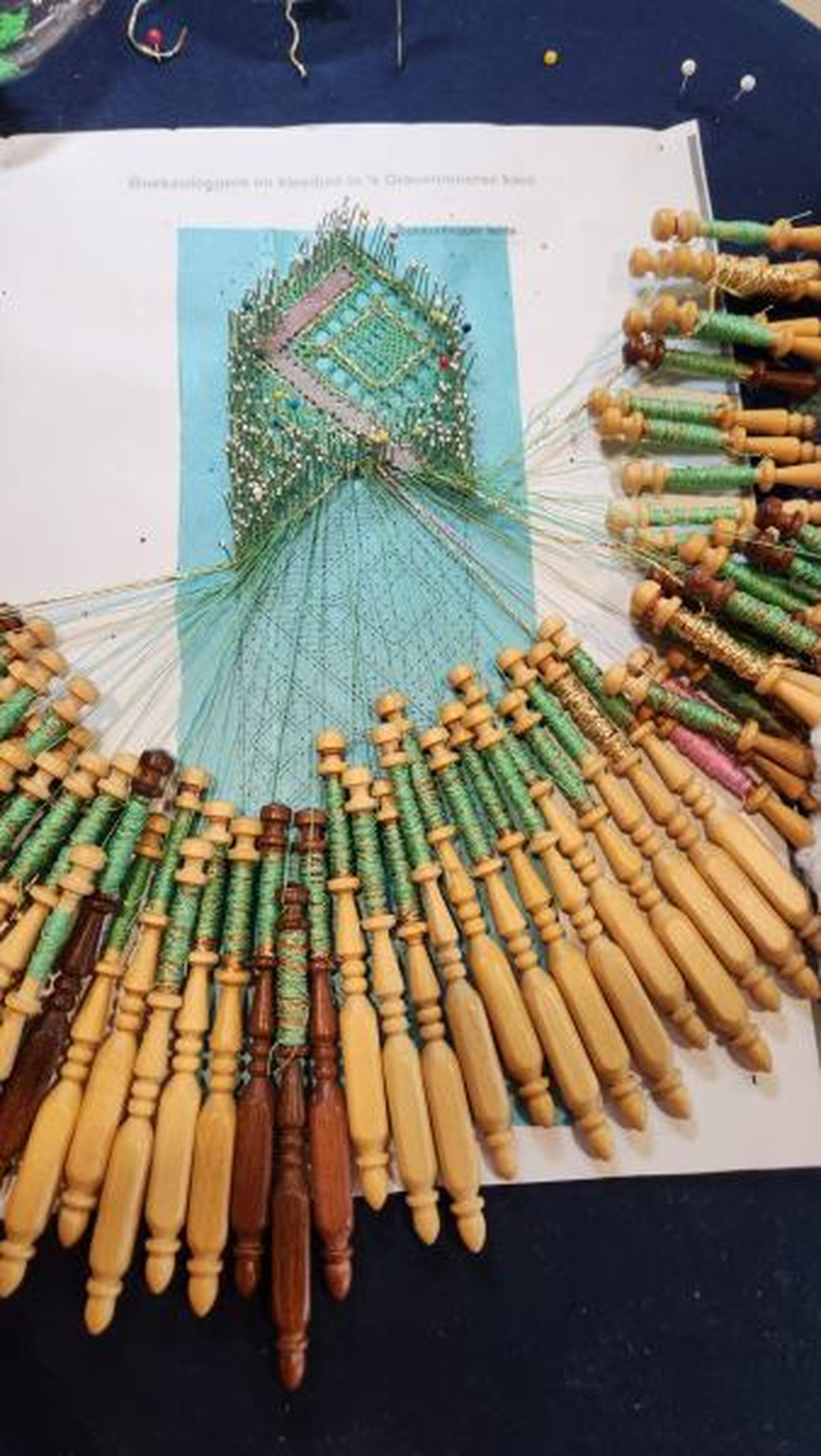
The members of Cranberry Lacemakers will demonstrate a technique that the library describes as dynamic and centuries old. The word “dynamic” is fitting: at first glance, a pad full of pins may appear motionless, but the hands maintain a small, continuous dance. Bobbins shift positions, pairs cross and rotate, and each pin holds its place until the weave is secure.
Even someone who has never seen bobbin lace can follow the process from the initial drawing to the finished lace. The threads are wound around small wooden pieces for easy handling; the pattern indicates where the pins are inserted, and repeated movements create backgrounds, bands, and motifs. You don't need to learn everything in a morning. Understanding a crossing, a turn, or the role of tension already changes the way you look at a finished piece.
The proposal also offers the opportunity to contact Celeste, a representative of the group, to receive more information or request a chance to try a pattern. The organization is looking for new people interested in learning and helping to preserve the craft. This openness transforms the exhibition into a gateway: it doesn't just showcase finished pieces, but also brings the process closer and encourages visitors to touch the bobbins.
The name Cranberry Lacemakers refers to a local community in central New Jersey. Its members share a practice that requires time, attention, and companionship. At a meeting, each lacemaker works on her own piece, but questions circulate around the table: how to arrange the pairs, which thread best suits a particular design, or how to correct a mistake without undoing more than necessary.
Libraries are a particularly welcoming place for this kind of encounter. They preserve books and memories, but they also create opportunities for knowledge to be passed from one person to another. A manual technique difficult to explain with words alone becomes comprehensible when someone places their hands next to ours. The soft creaking of the wood and the gradual emergence of the lace tell a story that no shop window could ever convey.
The meeting will take place in the Community Room at the DeMott Lane location. The 36.000-square-foot building is part of the Franklin Township municipal complex and features rooms dedicated to community activities. The library can be reached at 732-873-8700 for inquiries. No reservation is required; walk-ins are welcome.
Franklin is located in Somerset County, between the New York and Philadelphia metropolitan areas. For those traveling through New Jersey in late autumn, this visit offers a unique opportunity to pause: stepping into a library, chatting with local artisans, and discovering a tradition typically practiced in small circles. November, with its late-season colors, adds a beautiful backdrop to a trip to the area.
The group's stated goal is to teach and preserve bobbin lace. This preservation depends not only on storing antique pieces, but also on new hands, questions, and spaces where someone can approach the craft without prior experience. Franklin's workshop offers exactly that: six hours of open enrollment with lacemakers eager to explain their work.
Perhaps someone will enter out of curiosity and leave remembering the sound of the bobbins. Perhaps another person will discover that the seemingly impossible design is constructed with simple movements repeated patiently. In both cases, the lace will have gained a new perspective. And in a craft passed down from hand to hand, each new perspective can be the beginning of another story.
© El Mundillo de Eva 2026