Brussels 2026: a weekend to discover colorful bobbin lace
Brussels 2026: a weekend to discover colorful bobbin lace
Some weekends invite you to see Brussels in a different light: not just through its facades, shop windows, or the aroma of chocolate, but also by following the patient movement of bobbin lace. On November 7th and 8th, 2026, the Fashion and Lace Museum offers a two-day introductory workshop to discover this technique from its simplest movements and take home your own creation.
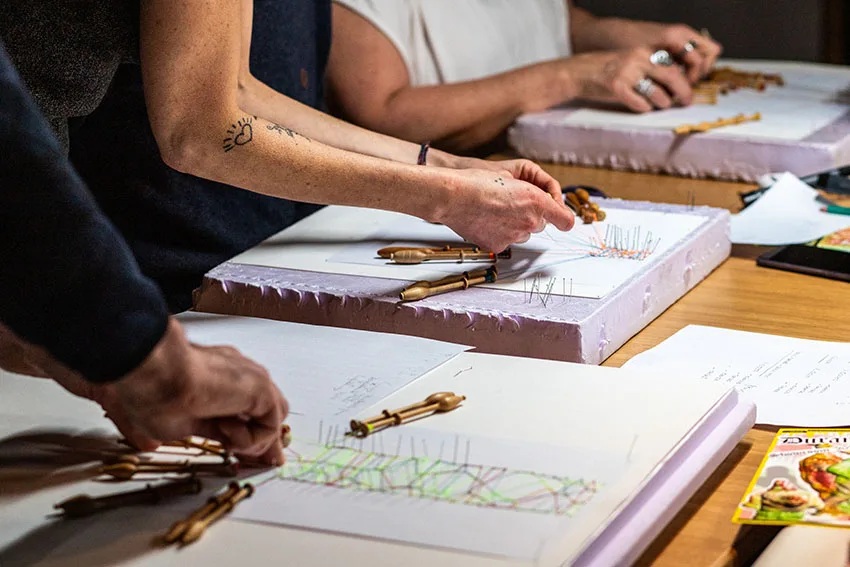
The activity is designed as a practical introduction to contemporary lacemaking. Artist Deborah Lothe will guide the group in learning the three fundamental points, using a dynamic approach based on trying, observing, and repeating. The museum summarizes this rhythm with a sequence very familiar to any lacemaker: cross, turn, cross, and turn again.
The detail that brings a fresh perspective to this project is the use of colored threads. Those new to lacemaking will be able to better recognize the path of each strand, while those already curious about the craft will find a joyful way to understand its structure. The intention is not to copy a museum piece, but to learn the basics of the technique and transform them into a small work of art of one's own.
The weekend event will take place on Saturday, November 7th and Sunday, November 8th, from 10:00 AM to 16:30 PM. It lasts two days and the advertised price is €50. The museum indicates that booking and payment must be made before the start of the activity, so it is advisable to check availability on their official schedule before planning your trip.
The workshop is located in the Museum of Fashion and Lace, at Rue de la Violette 12, 1000 Brussels. This central location, just steps from the Grand-Place, allows you to combine the workshop with a leisurely stroll through the historic heart of the city. For any practical inquiries, the museum can be reached by phone at +32 2 213 44 50 or by email at musea@brucity.be.
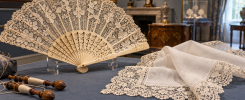
The chosen location greatly enhances the experience. The Museum of Fashion and Lace preserves a heritage linked to the international renown achieved by Brussels lace. Its lace room helps to understand how a craft born from patient hands ended up adorning European elites and becoming part of the city's artisanal identity.
Entering the museum to learn bobbin lace creates a beautiful bridge between historical pieces and current practice. The museum's collection recalls the finesse and complexity achieved by previous generations; the workshop, on the other hand, returns the thread to the hands and demonstrates that the tradition can continue to grow with new designs, colors, and sensibilities.
Many people look at a finished lace and feel they could never understand so many interlocking stitches. That's why it's important that this introduction be presented in a small group and starting with three basic points. Learning ceases to seem like a mystery when each movement is explained separately and the design begins to emerge beneath the pins.
It's also a wonderful opportunity for those traveling with someone who's new to bobbin lace. Brussels offers museums, architecture, markets, and charming corners to take a break while the workshop occupies a good part of the day. Afterward, there's still time to stroll through the nearby streets and browse the shop windows with fresh eyes, paying attention to every stitch and every detail.
The program combines two ideas that often go hand in hand in lacemaking: respect for what has been learned and the freedom to make it one's own. Each participant will create a piece born from their imagination, so the fundamental stitches will function as a common vocabulary and the colored threads will add a personal touch.
This balance transforms the weekend into more than just a class. It's a way to connect with heritage through experience, to listen to the sound of the bobbins, and to see how a weaving gradually unfolds. For those eager to begin, Brussels offers a small, carefully curated, and vibrant event in November.
© El Mundillo de Eva 2026