Brossard 2027: a bobbin lace competition pays tribute to Ulrike Voelcker
Brossard 2027: a bobbin lace competition pays tribute to Ulrike Voelcker
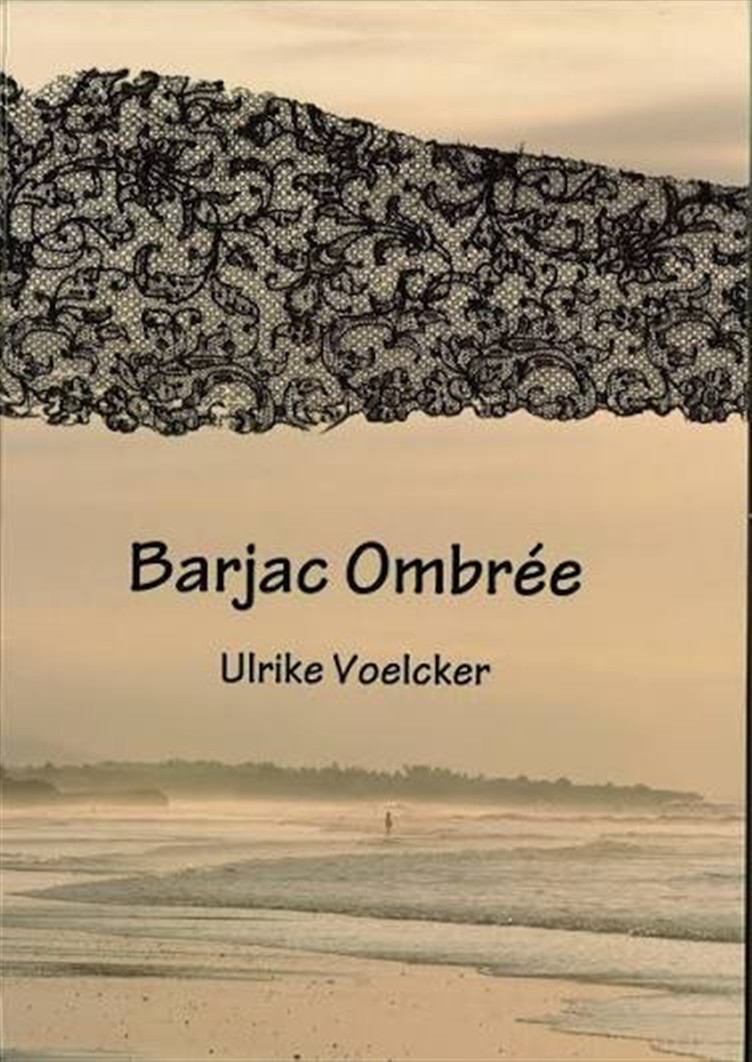
The Association des dentellières du Québec has chosen a beautiful way to celebrate a great master: by making her designs the starting point for a new competition. The 2026–2027 competition is dedicated to Ulrike Löhr Voelcker, a renowned author and creator who has taken bobbin lace into increasingly rich technical and artistic territory.
The competition is open to members of the Canadian organization and will conclude on Saturday, October 9, 2027, from 9:00 a.m. to 15:00 p.m., at its headquarters in Brossard, located at 2550 rue Asselin. The organization has several books by Ulrike Voelcker in its library and will make them available to its members during the meetings to help them select projects.
The central rule is simple: the submitted work must be based on a pattern created by the honoree. From there, each lacemaker has considerable freedom. She can choose the technique, threads, and colors; she can also combine several elements within the same composition or present more than one piece. The minimum dimension is five centimeters, and there is no maximum size.
If a work incorporates several elements, all must be attached to a canvas so that the whole can be displayed without risk of losing any part. The finished piece must be submitted mounted on canvas or cardboard and ready to hang. The title of the book used as a reference and the design name must be included with the piece. The guidelines expressly state that it must not be submitted framed.
These guidelines allow the final exhibition to maintain a certain unity while also showcasing the variety that can emerge from a single artist. A small motif worked in white can convey serenity; another created in intense colors can resemble textile jewelry. The result will depend on the interpretation, the choice of thread, and the way the elements are combined.
The deadline for submissions, including postal deliveries, is October 1, 2027. Alternatively, you can bring your artwork to one of the Friday meetings and hand it to a member of the association's board. The organization advises that it will not accept pieces during the October meeting, so it's best to finish your work well in advance and plan your submission accordingly.
The calendar allows almost a year to choose a pattern, test yarns, and progress at a leisurely pace. For complex projects, this timeframe allows for preparing a sample, checking the tension, and carefully deciding on the final support. It also provides the opportunity to consult books during several meetings before committing to a design.
To resolve technical doubts or inquire about how to submit a work, the association has enabled the email address ateliers@dentellieresquebec.comBefore starting, it is advisable to read the complete rules and confirm that your membership is valid, as participation is not open to the general public.
The call for entries presents Ulrike Voelcker as an eminent lacemaker whose work has made immense contributions to the craft. Her books combine patterns with technical explanations and offer suggestions for different skill levels and tastes. Rather than limiting the tribute to a retrospective exhibition, the competition invites other lacemakers to revisit her ideas.
This choice aligns with the work of the Association des dentellières du Québec, which has been inspiring, teaching, and building connections since 1981. Its library houses over 1.500 publications, and its meetings, courses, and demonstrations keep knowledge alive. The competition will thus be a dialogue between a master's designs and each participant's personal choices.
The final presentation is scheduled for October 9, 2027, from 9:00 a.m. to 15:00 p.m., in Brossard, Quebec. The submission deadline is October 1. Those wishing to participate can consult the official call, where you can also find the list of available books.
The challenge is not simply to reproduce a drawing. Each piece must demonstrate how a lacemaker has interpreted the pattern, chosen her materials, and transformed it into a finished work ready to be shared. This blend of respect and freedom promises a particularly interesting exhibition: a tribute woven with diverse threads, yet united by admiration for Ulrike Voelcker.
© El Mundillo de Eva 2026