Amersham 2026: bobbin lace, winter lights and Cattern Day
Amersham 2026: bobbin lace, winter lights and Cattern Day
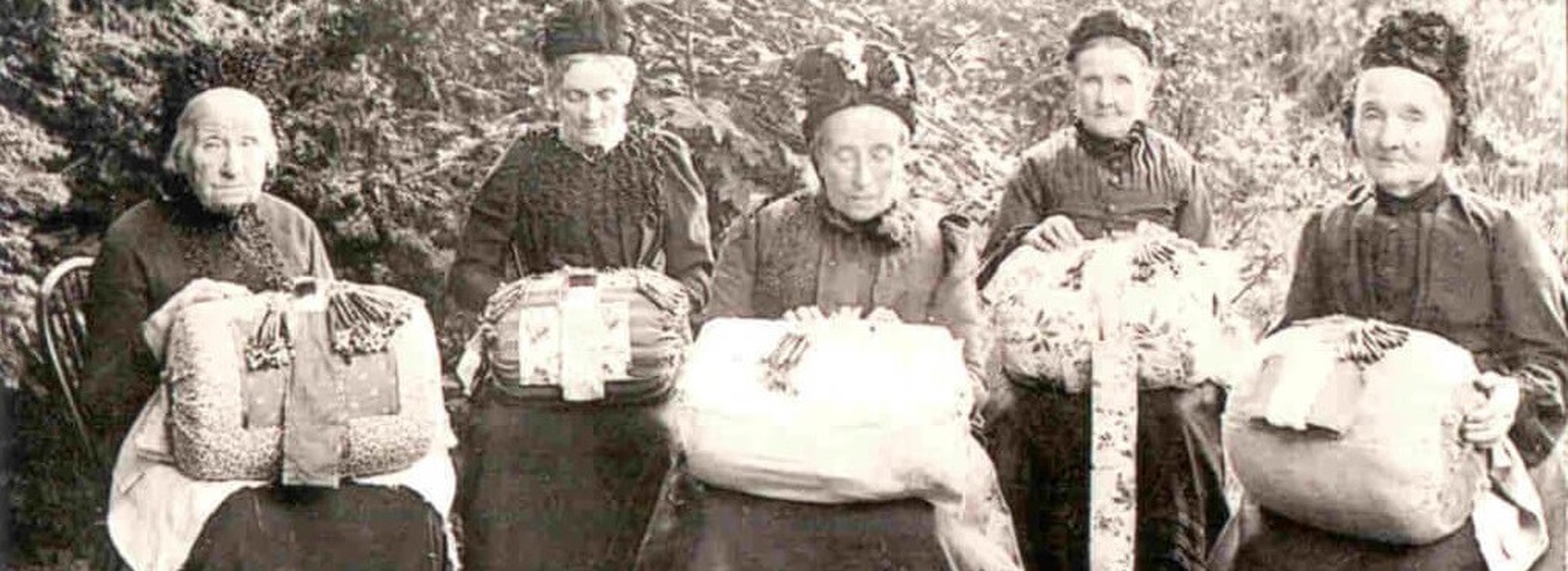
As November's evenings draw to a close, an ancient lacemaking tradition is rekindled in the heart of Buckinghamshire. On November 25, 2026, the Amersham Museum will celebrate St. Catherine's Day with its volunteer lacemakers. It will be a day to hear the sound of bobbins, try out the first crosses of the season, and discover how the lacemakers welcomed winter with light, shared meals, and their own special celebration.
The activity will take place on Wednesday, November 25, from 11:30 PM to 16:00 PMThe demonstrations will take place at Amersham Museum, located at 49 High Street in Old Amersham. They will be open to the public and the regular museum admission will apply.
Volunteer lacemakers will demonstrate how the work is organized on the cushion, how the bobbins are moved, and how the threads form motifs within a regular mesh. Visitors can ask questions, chat with them, and even try the technique. This opportunity to move from watching to touching transforms the visit into an intimate encounter, especially appealing to families and those who have always been curious about bobbin lace.
Practical information and any updates can be found in the Official website of the Saint Catherine celebrationNo special reservation is advertised: the museum invites visitors during its opening hours and notes that everyone is welcome.
In Amersham, St. Catherine's Day was affectionately known as Cattern DayAccording to local tradition recorded by the museum, the lacemakers celebrated their patron saint with a special cake, a hot meal, and various rituals related to the start of winter work. It was a festive break within a domestic craft that demanded long hours and immense concentration.
One of the most evocative gestures involved reusing the block of candles and their glass globes. When natural light was no longer sufficient to distinguish the fine threads, a candle was surrounded by small spherical containers filled with water. The glass concentrated and directed the light onto the cushions, creating points of illumination around which several women could work. The celebration thus marked the time to prepare these lights for the dark months.
The demonstration takes on special significance in this town. The museum itself recalls that, in 1791, the Universal British Directory Amersham was described as a center for the production of black silk lace. Its specialties included fine veils and wide ruffles, used to decorate light-colored dresses. Working with black thread was particularly tiring on the eyes, because the crossings projected less contrast and had to be read under very limited lighting.
Lacemaking was an integral part of the family economy. Buyers provided materials and patterns, collected the finished pieces, and took them to market. There were also schools where girls learned complex designs from a young age. The 1851 census still lists twenty cushion lacemakers in the area, although mechanized production was already weakening the craft, and straw weaving offered another source of income.
That's why seeing the volunteers today isn't an isolated reenactment. Their pads connect to an activity that sustained homes, taught skills from generation to generation, and left its mark on Buckinghamshire's identity. The museum preserves that memory and brings it back to life through conversation and practice.
Old Amersham boasts a long, historic street nestled among wooded hills, lined with old buildings and inviting corners perfect for leisurely strolls. The museum occupies a house on High Street and is open Wednesday through Sunday, from 11:30 a.m. to 16:00 p.m. A visit can be rounded off by exploring the old town and observing how the domestic history of lacemaking coexisted with markets, workshops, and homes.
The November 25th event brings together everything that makes a living tradition special: expert hands, simple objects, and stories that explain why a candle, a cake, or a handful of bobbins meant so much. Cattern Day returns as a small and luminous celebration, capable of transporting us back to the winter of the lacemakers of old without losing the joy of learning together.
© El Mundillo de Eva 2026